Counter-Strike 2 Explained: What Changed From CS:GO
Sub-tick servers, volumetric smokes and Premier mode: a clear look at what Valve changed when Counter-Strike 2 replaced CS:GO on PC.
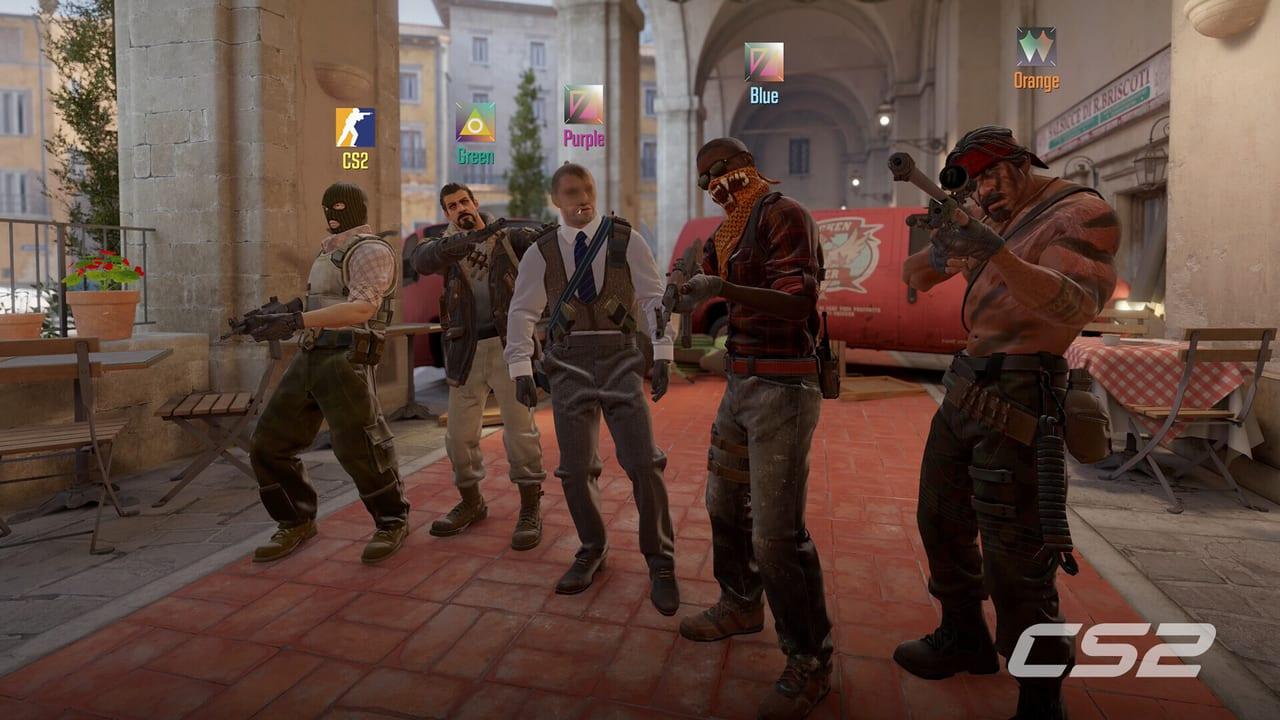
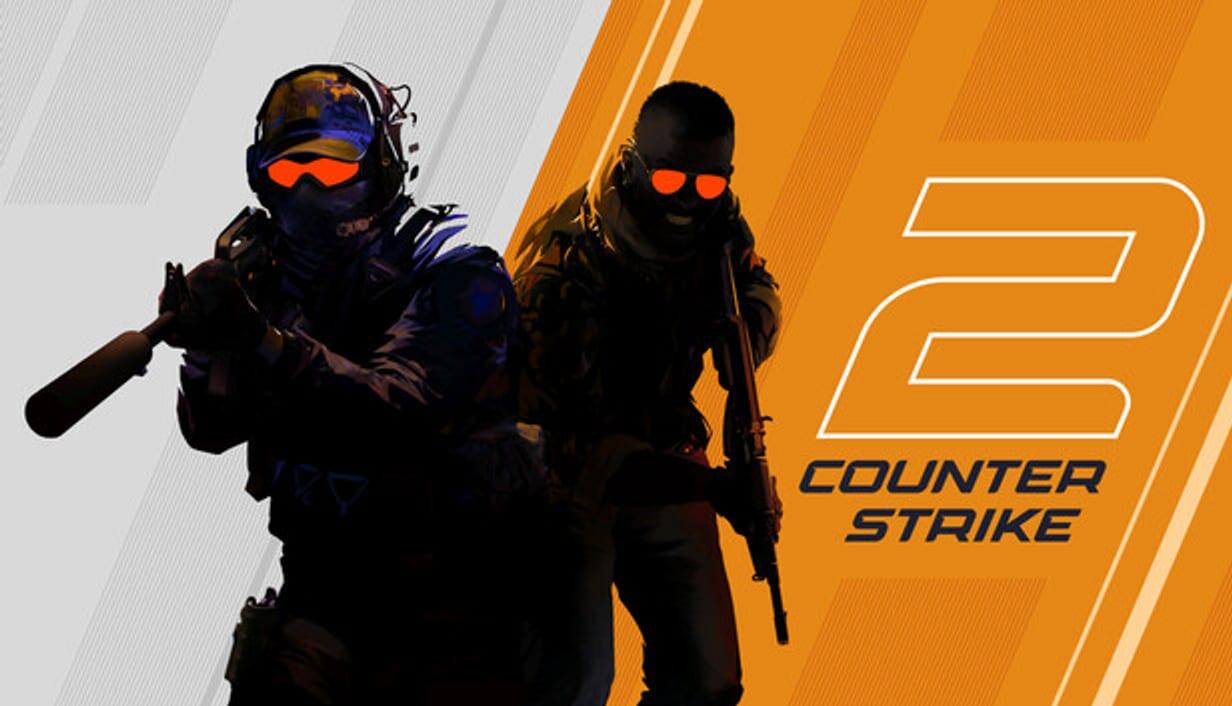
Counter-Strike 2 launched on September 27, 2023, and it did not arrive as a separate purchase. Valve replaced Counter-Strike: Global Offensive in place, so the same Steam entry, the same inventories and the same free-to-play access carried over. For returning players the core game feels familiar. Under the hood, a lot changed.
A new engine: Source 2
The biggest change is the move from the original Source engine to Source 2. It brought updated lighting, rendering and audio, and it allowed Valve to rebuild how several core systems work instead of patching around old limitations.
Valve sorted the classic maps into three groups at launch: some were rebuilt from the ground up, some received significant upgrades, and others were updated mainly for the new lighting. The layouts that competitive players know by heart were largely preserved.
Sub-tick updates
In CS:GO, the server processed the game in fixed steps called ticks. If you fired between two ticks, the game effectively rounded your action to the nearest one.
Counter-Strike 2 introduced sub-tick updates. The server now knows the exact moment you moved, jumped or fired, even if it happened between ticks. The goal is simple: what you see and do on your screen should match what the server registers more closely, regardless of tick rate.
Smokes that react to the world
Smoke grenades used to be static clouds. In CS2 they are volumetric: they fill rooms and doorways naturally, react to lighting, and can be temporarily pushed open by gunfire or cleared by an HE grenade.
That small change has a big tactical impact. A well-placed HE grenade can open a smoke for a moment, and spraying through a cloud now reveals gaps that both teams can use.
Premier mode and CS Rating
Competitive play now has two paths:
- Premier uses a visible CS Rating and starts each match with a pick-and-ban phase, so teams choose which map they play.
- Competitive keeps map-specific skill groups for players who prefer to queue for particular maps.
Premier gives players a single number that reflects their overall skill, and it adds leaderboards that make progress easier to track.
What stayed the same
- The core loop. Terrorists plant the bomb, Counter-Terrorists defuse or prevent it, and the economy carries over between rounds.
- Your inventory. Skins and items owned in CS:GO moved to CS2.
- The price. The game remains free to play on Steam, with an optional Prime Status upgrade.
Should you jump in?
If you have played Counter-Strike before, CS2 is the same game with better fundamentals and a cleaner competitive structure. If you are new, it is still one of the most demanding shooters on PC – but it is free, and few games reward practice as directly.
If you want a tactical shooter with a different pace, our page for Delta Force covers a free-to-play alternative with extraction and large-scale modes. You can find all details about Valve's shooter on our Counter-Strike 2 game page.